The Science of Hydration

Understanding water's physiological roles, fluid regulation, and factors influencing hydration needs

Water in the Human Body

Fundamental understanding of water's composition and distribution

Water comprises approximately 60 percent of body weight in adult males, with variations based on age, body composition, and individual physiology. This water distribution is essential for every cellular function and bodily system.

Water Distribution in the Body

  • Intracellular fluid (inside cells): approximately 40% of body weight
  • Extracellular fluid (outside cells): approximately 20% of body weight
  • Blood plasma: approximately 4% of body weight

This precise distribution is maintained through osmotic regulation and is critical for cellular function, nutrient transport, and waste removal.
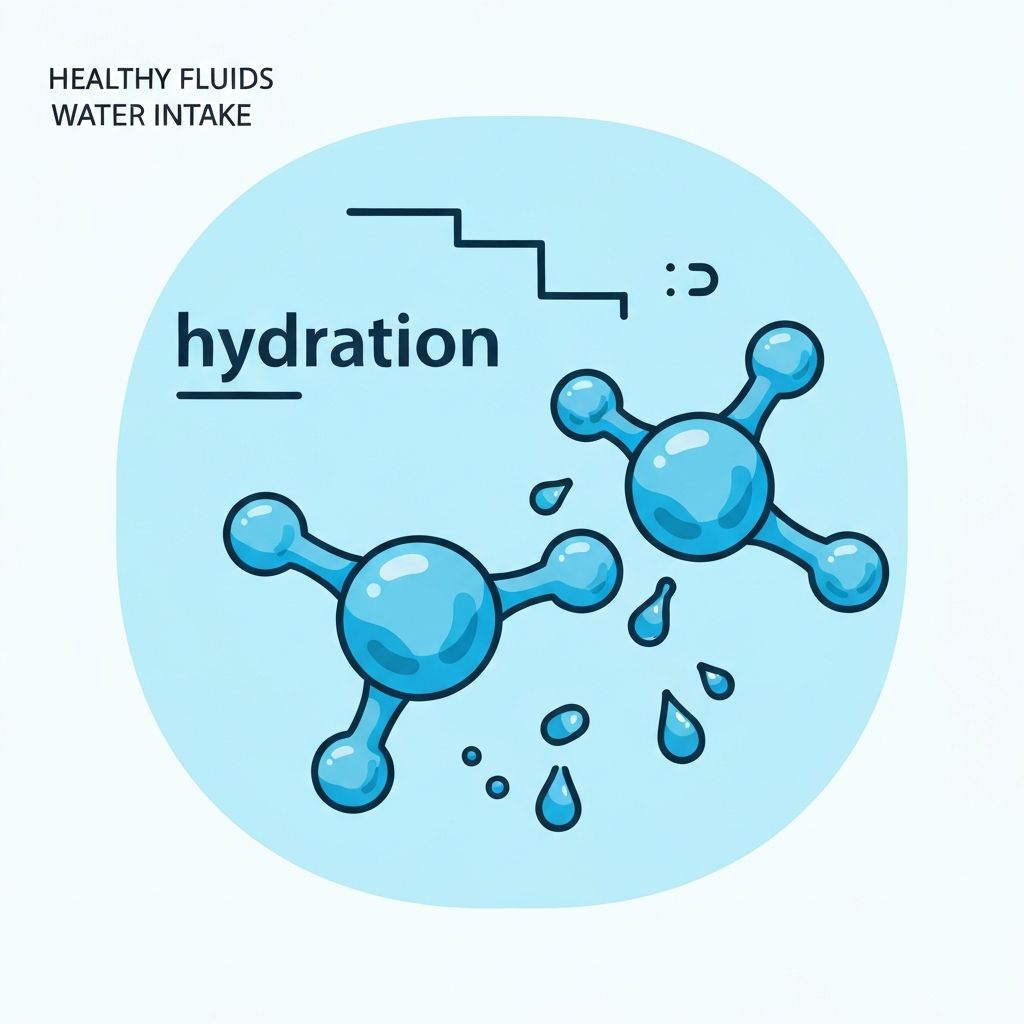
Abstract scientific representation of water molecules and cellular hydration

Primary Physiological Functions of Water

How water enables essential bodily processes

Temperature Regulation

Water's high heat capacity allows the body to absorb excess heat and release it through perspiration. This thermoregulatory function maintains stable internal temperature despite external conditions and physical exertion.

Nutrient and Oxygen Transport

Water is the primary component of blood plasma, which transports oxygen, glucose, amino acids, and other essential nutrients to cells. This transport function is foundational to cellular energy production and function.

Waste Elimination

The kidneys utilize water to filter metabolic waste products into urine for elimination. Additionally, water in the colon facilitates elimination of solid waste. Adequate hydration supports efficient waste removal.

Joint Lubrication and Cushioning

Synovial fluid, which lubricates joints, is primarily water-based. Adequate hydration supports joint flexibility and protects cartilage and tissues from friction and impact.

Fluid Balance and Regulation

How the body maintains homeostasis through fluid regulation

Scientific representation of cellular fluid balance and osmotic regulation

The body maintains precise fluid balance through intricate regulatory mechanisms involving hormones, kidneys, and sensory perception.

Osmotic Regulation

Osmosis moves water across cell membranes to balance solute concentrations inside and outside cells. This maintains cell volume and function. The kidneys regulate electrolyte balance to support osmotic equilibrium.

Hormonal Control

Antidiuretic hormone (ADH), produced by the pituitary gland, regulates kidney water reabsorption. When blood osmolarity increases or blood pressure decreases, ADH levels increase, promoting water retention. This feedback mechanism prevents excessive fluid loss.

Thirst Mechanism

Thirst perception arises when blood osmolarity increases or blood volume decreases. The thirst mechanism prompts fluid intake to restore balance. However, thirst can be delayed during intense exercise or in older adults, making intentional hydration important.

Factors Influencing Hydration Needs

Variables that affect individual water intake requirements

Physical Activity and Exercise

Perspiration during physical exertion increases fluid loss. Activity intensity, duration, environmental temperature, and individual sweat rate all influence hydration requirements during and after exercise.

Environmental Temperature

Heat increases perspiration and fluid loss. Conversely, cold environments and high altitude affect respiration and fluid balance differently. Seasonal and geographic variations influence hydration needs.

Dietary Composition

Foods with high water content, such as fruits and vegetables, contribute to total fluid intake. Conversely, high protein, sodium, or caffeine intake may increase fluid requirements.

Age and Body Composition

Younger individuals typically have higher water composition than older adults. Muscle tissue contains more water than fat tissue, so body composition affects total water requirements.

Health Status and Medications

Certain health conditions affect fluid balance and kidney function. Some medications influence fluid retention or loss. Individual medical circumstances affect hydration requirements.

Individual Variation

Genetic factors, individual metabolism, and acclimatization to climate all create individual variation in hydration needs. No single recommendation applies uniformly to all individuals.

Hydration Status Assessment

Understanding markers and indicators of fluid balance

Hydration status can be assessed through various observable and measurable indicators. These markers help individuals understand whether their current fluid intake aligns with their physiological needs.

Practical Indicators

  • Urine color: Pale yellow typically indicates adequate hydration, while dark yellow may suggest insufficient fluid intake
  • Thirst perception: Absence of thirst may indicate adequate hydration, though thirst can be delayed
  • Skin turgor: Skin elasticity may reflect hydration status in some contexts
  • Mucous membranes: Dryness may indicate dehydration
  • Body weight changes: Rapid weight loss may indicate fluid loss
Active individuals demonstrating physical activity and hydration awareness

Water and Cognitive Function

The connection between hydration and mental performance

Even mild dehydration affects cognitive function, concentration, and mood. The brain is approximately 75 percent water, and fluid balance directly influences neurotransmitter function and neural signaling.

Studies have demonstrated that dehydration as small as 1-2 percent of body weight can impair attention, memory, and physical coordination. Maintaining adequate hydration supports optimal cognitive performance, focus, and mental clarity throughout daily activities.

Chronic mild dehydration may affect mood regulation and increase fatigue perception. Adequate hydration is one factor among many that supports mental well-being and sustained cognitive function.

Practical Hydration Strategies

Approaches to supporting adequate fluid intake

Regular Fluid Intake

Consuming beverages consistently throughout the day supports steady hydration rather than periodic excessive intake. Spreading fluid consumption helps the body maintain steady osmotic balance.

Water as Primary Beverage

Water contains no calories or additives and efficiently meets hydration needs. Other beverages like tea and milk also contribute to fluid intake and provide additional nutrients.

Fluid Around Physical Activity

Drinking before, during, and after physical activity supports exercise performance and recovery. The timing and volume depend on activity intensity and duration.

Water-Rich Foods

Fruits and vegetables like watermelon, oranges, cucumbers, and lettuce have high water content and contribute to overall fluid intake while providing fiber and micronutrients.

Further Educational Exploration

Important: This page provides educational information on hydration from a physiological science perspective. It is not intended as medical advice or treatment recommendations. Individual hydration needs vary based on personal circumstances, health status, and environmental factors. Consult qualified healthcare professionals for personalized hydration guidance.

Return to Home Learn About Protein Explore FAQ